

Agile
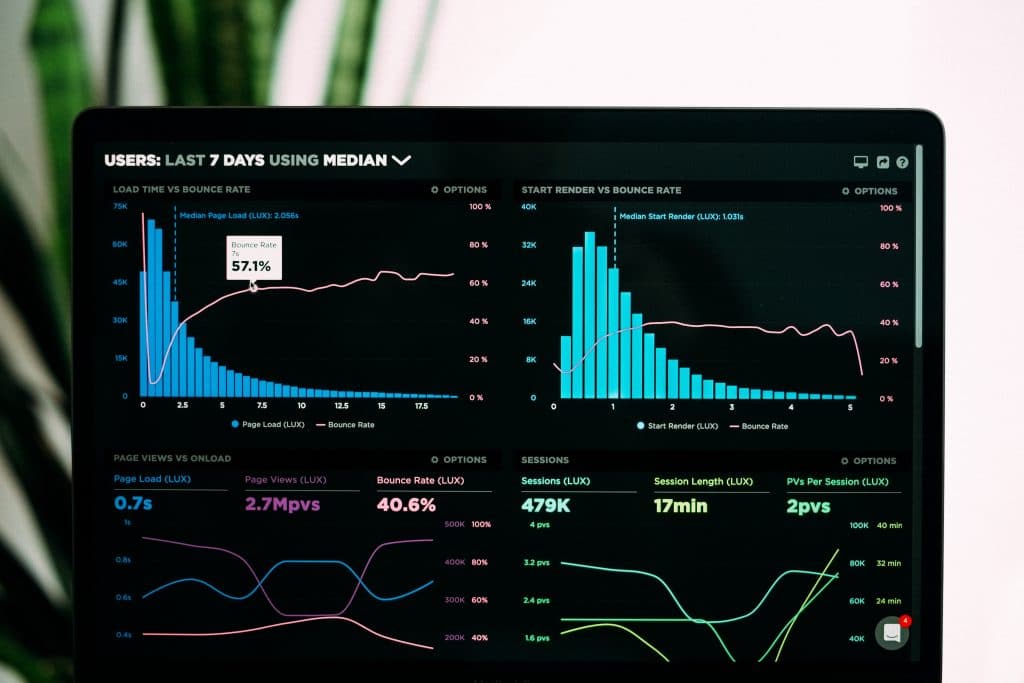
Nowadays, you tend to see the term being bandied about how companies are thriving by being agile. Business agility is needed to be able to respond to external and internal changes. The pandemic has typically changed the way people view work in terms of work location, flexible working hours and even lead to more people leaving the workforce.
To support the new ways of working, companies have adopted cloud based tools to improve work collaboration among the workforce. This has lead to an increased emphasis on making data driven decisions in order to remain agile in managing the workforce.
Data Democratization
Besides agile, data democratizaion is also another catchy term that promises much in making key decision with the right tool and information in the hands of employees. It requires a culture shift among employees to seek answers that are supported by data and being provided with the right tools for data processing and data visualization.
In a big organization, that is where data democratization can become tricky to navigate even if you have the tools,platform and data to work with. For instance, companies that have a human capital management system be it Workday, SAP Successfactors, Oracle or Peoplesoft, it is always a struggle to keep track of changes in compensation within their industry as salary surveys are not up to date. That in turn affects the organization’s capability to ensure compensation level are fair and inclusive within the organization
Levels.fyi
To keep up, organizations can take a leaf from Levels.fyi and understand how by having a platform that collects compensation information and maps it by job level, companies and location, it benefits everyone by sharing information. Candidates , recruiters and compensation specialist will feel the information useful in terms of salary negotiation and assessing organization pay structure for revised salary bands. This is something that can be replicated for an organization that operates in multiples countries.
Tools
In order to democratize the data, it is necessary to consider the basic building blocks required to start. Simply put, data needs to be centralized in a single database and can be accessed easily for data preprocessing and data visualization. Most major organizations typically would have invested in communications tool e.g Slack or Teams and have their own HCM or HRM system for managing employees data and workforce planning.
Assuming that your organization is keen to do a proof of concept on replicating what Levels.fyi has done, you can explore a simple approach by making use of Streamlit and Excel. This does not address the ideal scenario of a fully integrated and secured database with a visualization tool.
Streamlit
Streamlit is tool based on Python that turns data scripts into shareable web apps in minutes. It is also effortlessly to share, manage and deploy your apps, directly from Streamlit on Streamlit Cloud. It is worth noting that Streamlit was acquired by Snowflake this year. Snowflake is known for storing oodles of data on the cloud and would be a good fit with Streamlit as a front end tool.
Let’s start with Streamlit and replicate Levels.fyi
You would first need to download the template like below so that you can prepare the data file based on the field available in your HCM system.
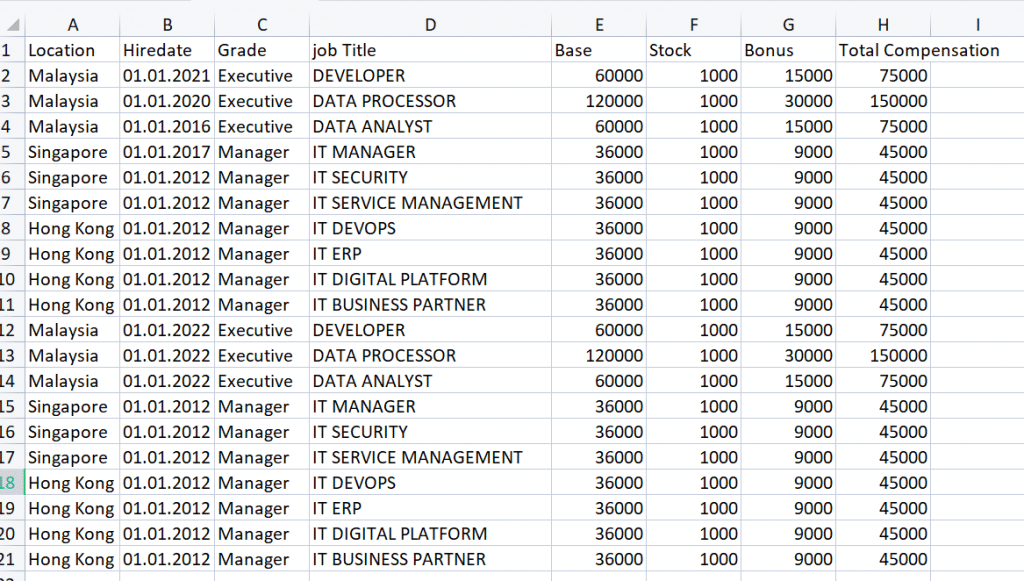
In existing HCM platforms, it is assumed that these are the common fields that can be extracted/downloaded from.
Following that, assuming that you have spent some time mastering Python and Streamlit, you would be able to publish your data app on Streamlit Cloud.
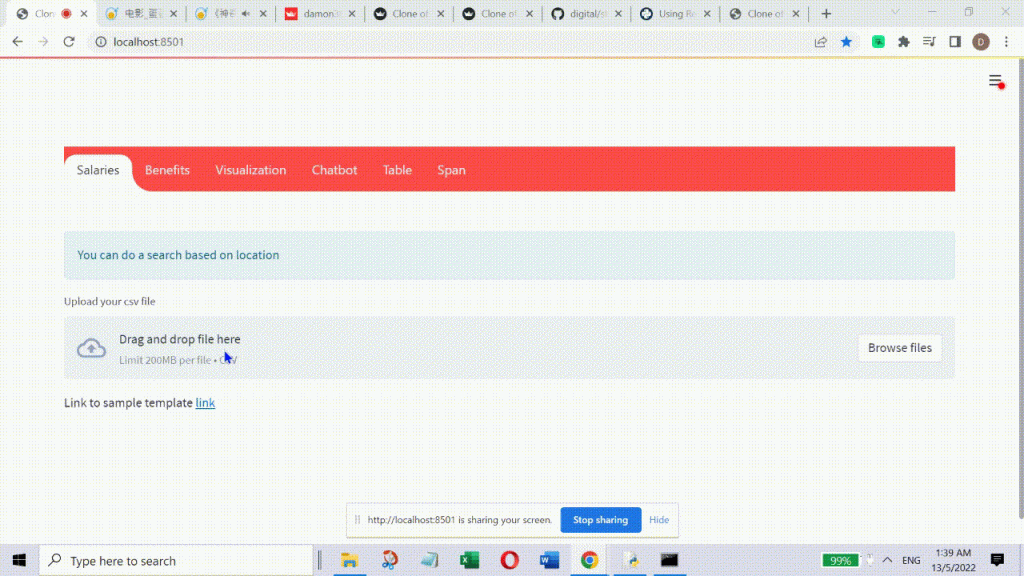
From there, you can upload your data file in CSV format and voila, it will be visualized and it can be easy to view total compensation at a glance and compare by location. With more time and effort, you can build a more interactive tool and even export the table into pdf for distribution. The possibilities are limitless with Streamlit!
Key Takeways
- This method can easily be duplicated in Microsoft Powerbi if your company has existing Microsoft tools and the direction is to use Powerbi and share it across users as a dashboard.
- Streamlit would be a useful tool for employees of companies that have invested in Snowflake so that they can visualize data easily.
- Data security and integration of HR related data would be a concern as the Streamlit tool is hosted on a cloud.
- Data democratization can be limited if key information like these are restricted from employees as it is mainly for HR eyes only.
- The proof of concept would require a more robust tool in terms of integration capability, future enhancements and support model to progress beyond a quick and dirty application.